
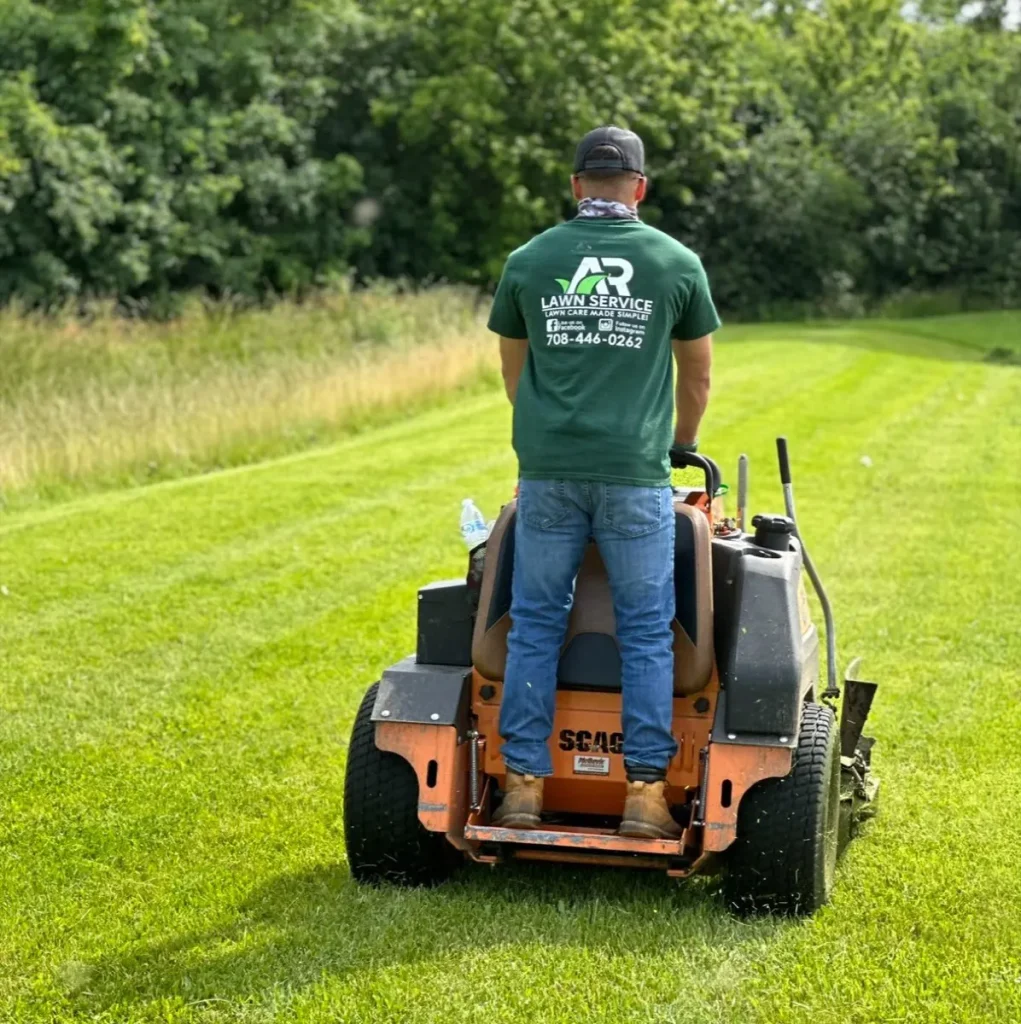
Commercial mowing is not only about shortening grass. A dependable schedule supports curb appeal, helps the property look occupied and managed, and gives property contacts a consistent maintenance rhythm.
Start with How the Property Is Used
An office, retail center, association, and industrial property each have different traffic patterns. Service timing should consider customers, employees, deliveries, events, irrigation, and areas where equipment noise or temporary access limitations matter.
Match Mowing Frequency to Active Growth
Grass does not grow at the same rate throughout the season. Rain, temperature, irrigation, shade, and fertilizer all affect growth. The schedule should be consistent while still allowing the crew to protect the turf during unusually wet, dry, or stressful conditions.
Define the Finished Appearance
A complete visit may include mowing, trimming around obstacles, edging selected hard surfaces, and blowing clippings from paved areas. The quote should identify which details are included so the property manager and crew share the same standard.
Document Gates, Hazards, and Access Rules
Commercial properties often have locked areas, utility equipment, loading zones, drainage structures, and high-traffic pedestrian routes. A preseason or startup walkthrough helps the crew understand those conditions before routine service begins.
Use One Communication Path
Choose the person authorized to report access changes, damage concerns, or event schedules. Centralized communication reduces confusion and makes it easier to correct small issues quickly.
Explore commercial and residential lawn mowing or request a property-specific schedule from A.R Lawn Service.