
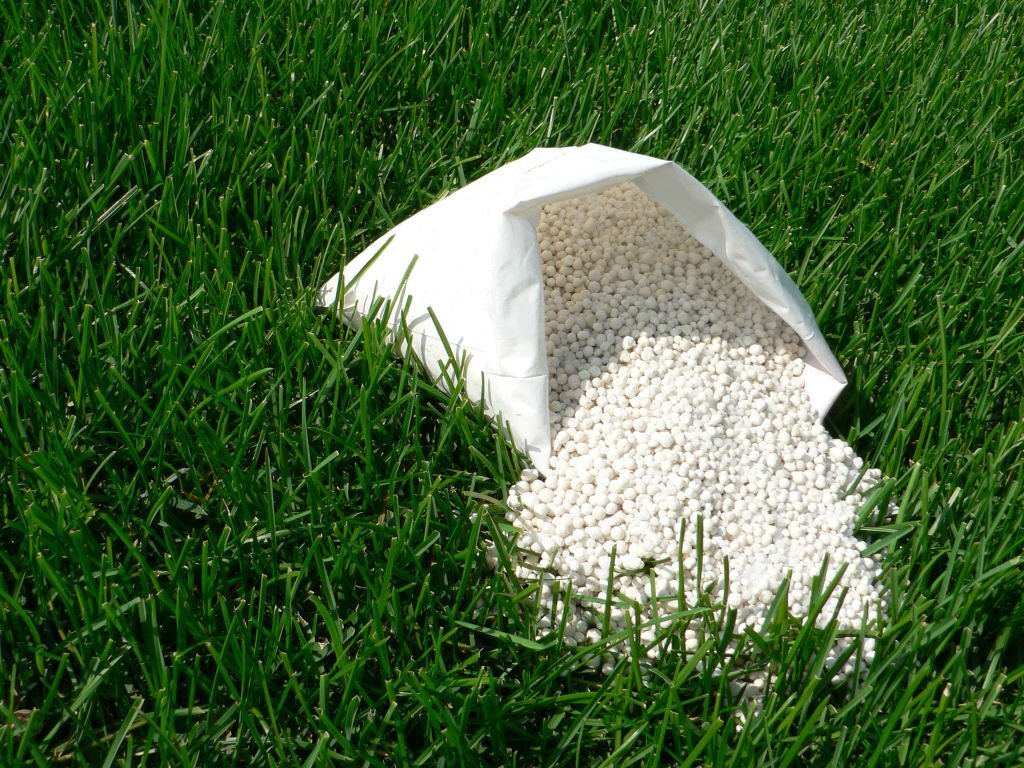
Fertilizing a lawn in IL is crucial in maintaining its health and vibrancy. However, choosing the right type of fertilizer can be daunting, especially when deciding between slow-release and quick-release formulations.
Both have advantages and drawbacks; understanding the distinctions is vital for achieving optimal results in a specific environment. Let’s explore them now.
Understanding the Basics of Lawn Fertilizer
Here is what you need to know about quick-release and slow-release fertilizers for optimal lawn care:
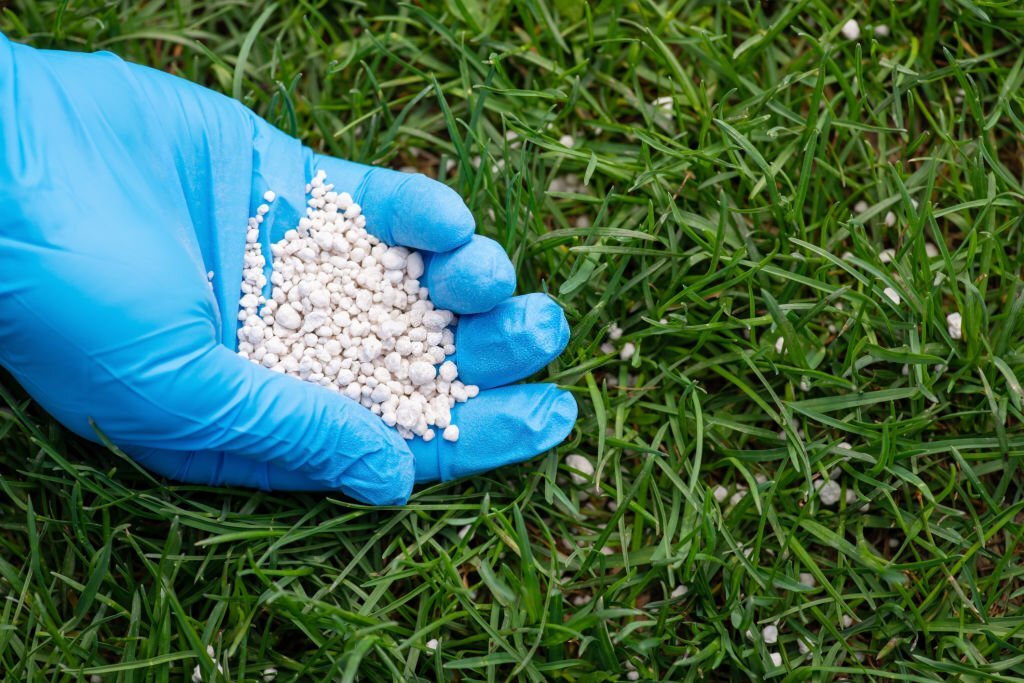
Quick-Release Fertilizers
As the name implies, quick-release fertilizers provide a rapid burst of nutrients to plants. They are typically water-soluble and are quickly absorbed through the roots, making them readily available for plant uptake. These fertilizers are often nitrogen-rich, essential for promoting rapid growth and lush greenery.
Slow-Release Fertilizers
Slow-release fertilizers, on the other hand, are designed to release nutrients gradually over an extended period. They come in various forms, including coated granules, controlled-release capsules, and organic materials. This gradual nutrient release ensures a steady supply of essential elements to the plants, resulting in more sustained growth and improved overall health.
Key Fertilizer Differences
What are the primary differences, and how do they affect your landscaping? Check this out:
Nutrient Availability
The primary distinction between slow-release and quick-release fertilizers lies in how quickly they deliver nutrients to the plants. Quick-release fertilizers provide an immediate boost of nutrients, which can be especially beneficial during periods of rapid growth or recovery from stress. In contrast, slow-release fertilizers offer a more measured, long-term nutrient supply, reducing the risk of over-fertilization and nutrient leaching.
Environmental Impact
Quick-release fertilizers can contribute to environmental issues, particularly when incorrectly applied. The rapid release of nutrients can lead to runoff, which can contaminate water bodies and harm aquatic ecosystems. Slow-release nitrogen can reduce rapid nutrient availability, but no fertilizer is risk-free. Application rate, timing, weather, and keeping product off pavement all matter.
Application Frequency
Due to their rapid nutrient release, quick-release fertilizers often require more frequent applications to maintain consistent plant health. This can lead to increased labor and material costs over time. Slow-release formulations, conversely, necessitate fewer applications, making them a more convenient and cost-effective option for long-term landscape design.
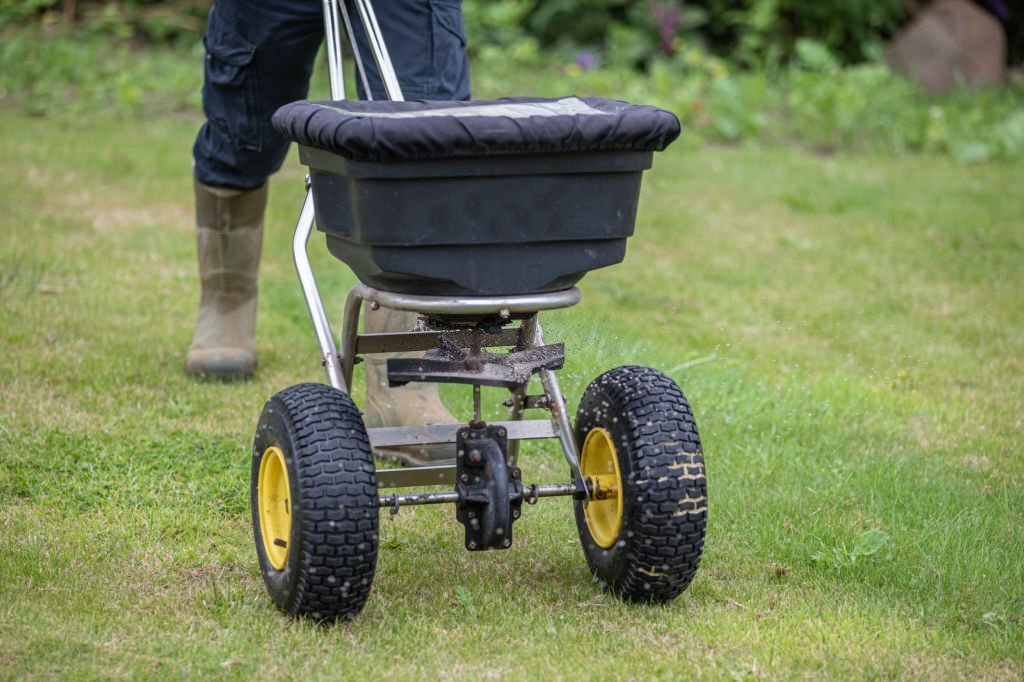
Lawn Fertilizer Considerations for Illinois Lawns
Illinois experiences a range of climates that homeowners in Oak Lawn, Evergreen Park, and Burbank must manage. The specific grass type and climate in a given area should influence the choice between slow-release and quick-release fertilizers.
Slow-release fertilizers are often preferred for cool-season grasses like Kentucky bluegrass and fescue. These grasses thrive in the cooler temperatures of northern Illinois and benefit from a steady, sustained nutrient supply.
Do not select release speed from grass type alone. Review the product label, turf condition, season, and soil-test recommendations.
Soil Type and Condition
Understanding the soil composition and condition is paramount when selecting the right fertilizer. Illinois soils vary widely, ranging from clayey to sandy, and may have different nutrient-holding capacities. Slow-release fertilizers can be particularly beneficial in soils with lower nutrient retention, as they help prevent nutrient leaching and ensure a more efficient use of resources.
Seasonal Considerations
The timing of fertilizer application is crucial for achieving optimal results. In Illinois, a balanced approach may be most effective. Late summer to early fall is a key fertilization period for established Illinois lawns. Avoid a fixed spring-to-summer formula without considering turf stress, the product, and local conditions.
TIP: Schedule fertilizer application after mowing, mulching, and yard cleanup.
Conclusion
The choice between slow-release and quick-release fertilizers is a critical decision that should be tailored to the specific conditions of the lawn. A nuanced approach that considers grass type, climate, soil conditions, and seasonal variations is critical for Illinois properties. Discuss your options with a local lawn fertilizer expert, and request a free quote for more information.
Fertilizer guidance reviewed October 6, 2026. References: Illinois Extension: fertilizing your lawn and University of Minnesota Extension: fertilizing lawns. Follow the product label and property-specific service instructions. Original publication date and URL retained.